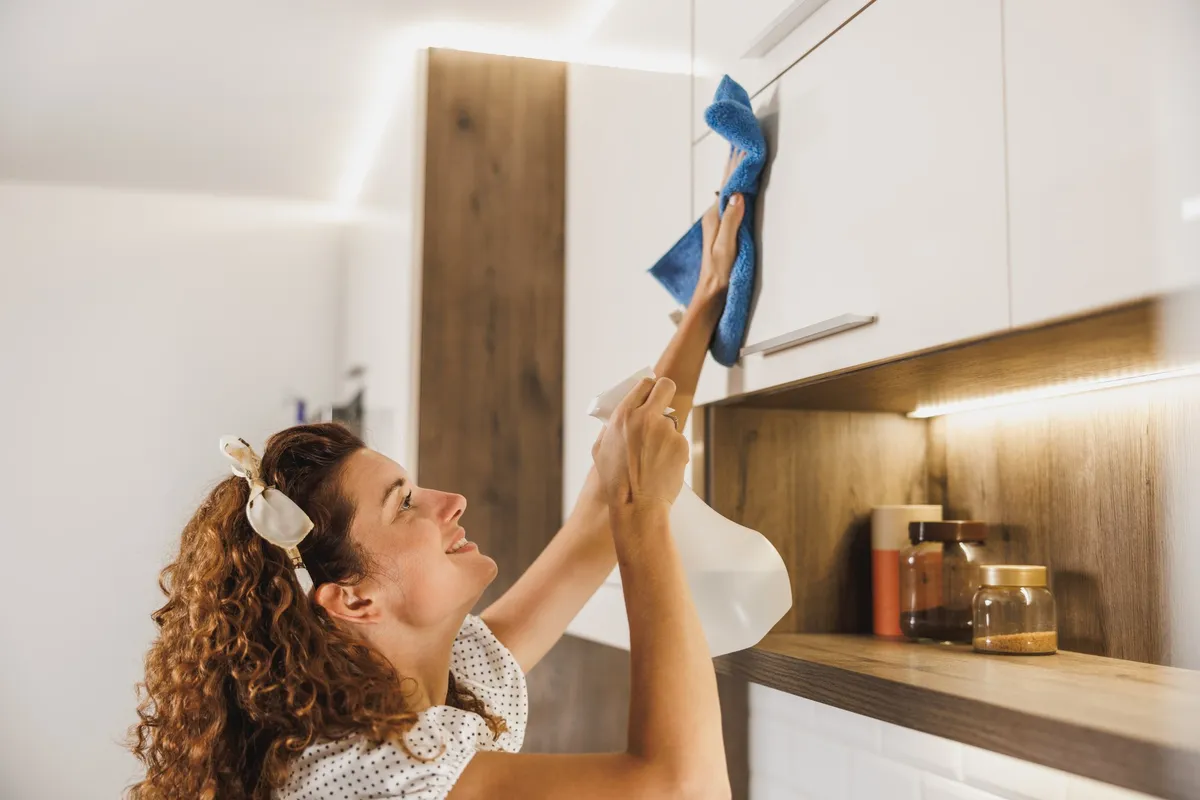
Most tenants don’t think seriously about rental property cleaning until they’re standing in an empty apartment, keys in hand, wondering if they’ve done enough to get their deposit back. By that point, the pressure is real, and the margin for error is slim. What happens in those final hours before you hand over the keys can make a several-hundred-dollar difference in what lands back in your bank account.
Your Landlord Is Holding a Rubric You’ve Never Seen
Here’s something most renters find out too late: landlords and property managers often use a detailed inspection checklist during the move-out walkthrough. It’s not a casual glance around the kitchen. It’s a room-by-room evaluation that includes things like the inside of the oven, the tracks on the sliding door, the caulk around the tub, and the tops of ceiling fan blades.
If your cleaning doesn’t match that checklist, the landlord has documented grounds to deduct from your deposit. And they will. That’s not pessimism, it’s just how the process works in most lease agreements. The good news is that knowing this changes how you approach the whole job. A surface-level scrub won’t cut it. What’s needed is the kind of thorough, methodical work that mirrors what a professional inspector is actually looking for.
If you want to understand exactly what that looks like in practice, security deposit cleaning built around protecting your refund is worth a close look before your move-out date arrives.
The Spots That Cost Tenants the Most Money
There are a handful of areas that show up repeatedly in deposit disputes, and most of them are places people either forget entirely or underestimate. The oven interior is one of the biggest offenders, baked-on grease doesn’t respond to a quick wipe-down, and landlords know it. Grout lines in bathrooms and kitchens are another common sticking point, especially in older units where buildup has had years to settle in.
Baseboards, window sills, and the insides of cabinets and drawers are frequently missed. So are light switches, door handles, and the area behind appliances. Walls with scuff marks or minor staining get flagged too, particularly in rentals with lighter paint colors.
The pattern here isn’t random. These are all areas that require either time, specific products, or physical effort that most people don’t have left in the tank during a move. You’re already exhausted from packing and coordinating logistics. The cleaning often gets rushed, and that’s exactly when corners get cut in the wrong places.
Why Doing It Yourself Might Cost More Than Hiring Help
There’s a reasonable instinct to handle the cleaning yourself. You know the space, you want to save money, and how hard can it really be? The honest answer is that it depends on how much time you have, how thorough you’re willing to be, and whether you have the right equipment.
Steam cleaners, grout brushes, commercial degreasers, and the physical stamina to clean for six or eight hours straight, that’s what a proper move-out clean actually requires. Most people don’t have all of those things lined up on the same day they’re also returning a moving truck and transferring utilities.
When tenants do the math after the fact, factoring in the cost of supplies, the time spent, and any deposit deductions they still received, professional cleaning often comes out ahead. Not because DIY is always a bad idea, but because the stakes are higher than people realize going in. A professional crew that cleans move-outs every day knows exactly what gets flagged and what gets a pass. That institutional knowledge is genuinely hard to replicate on your own.
For renters in apartments specifically, apartment move-out cleaning built for rentals addresses the particular challenges that come with shared buildings, smaller square footage, and landlords who manage multiple units and have seen every possible cleaning shortcut.
What Professional Move-Out Cleaning Actually Looks Like
A quality move-out cleaning service doesn’t just clean what’s visible. The work covers appliances inside and out, all cabinet interiors, bathroom fixtures scrubbed to the grout, baseboards wiped down, windows cleaned, and floors done properly, not just vacuumed or mopped once over.
The national team at Move Out Cleaning Company works from a checklist that’s designed to match what landlords and property managers are actually inspecting. Customers who’ve used the service consistently describe the experience the same way: they walked through the cleaned unit and felt confident going into the final inspection, rather than anxious about what they might have missed.
That confidence isn’t just a nice feeling. It translates directly into fewer disputes, faster deposit returns, and a cleaner end to what is already one of the more stressful life transitions most people go through. The cleaning itself takes a few hours. The deposit you protect with it can take weeks to fight for if things go sideways.
Moving is hard enough without turning the final step into a guessing game. Getting the cleaning right, really right, is one of the few parts of the process where a relatively small investment pays off in a straightforward, measurable way.
Frequently Asked Questions
What specific areas do landlords most commonly deduct from the deposit for?
The most frequently flagged spots are the oven interior, grout lines in bathrooms and kitchens, baseboards, window sills, the insides of cabinets and drawers, light switches, door handles, and the area behind appliances. Walls with scuff marks or light staining get cited too, especially in units with lighter paint colors. These aren’t random, they’re areas that require time, specific products, or physical effort that most tenants have run out of by moving day.
How detailed is a typical landlord inspection compared to a normal cleaning?
Most landlords and property managers use a room-by-room checklist that goes well beyond what a surface-level scrub covers, things like the inside of the oven, door tracks, tub caulk, and the tops of ceiling fan blades all get checked. It’s not a casual walkthrough; it’s a documented evaluation that gives them clear grounds to make deductions if something doesn’t pass. Most tenants don’t find out this checklist exists until after they’ve already handed over the keys.
Is it actually cheaper to clean the place yourself instead of hiring someone?
It depends on whether you have the right equipment, steam cleaners, grout brushes, commercial degreasers, and the time and energy to clean for six to eight hours on the same day you’re returning a moving truck and transferring utilities. When tenants add up the cost of supplies, the hours spent, and any deposit deductions they still received, professional cleaning often comes out ahead financially. The article puts it plainly: the stakes are higher than most people realize going in.
What does a professional move-out clean actually cover that I might skip on my own?
A thorough professional clean covers appliances inside and out, all cabinet interiors, bathroom fixtures scrubbed down to the grout, baseboards, windows, and floors done properly rather than a single pass with a mop or vacuum. The work is built around a checklist designed to match what landlords and property managers are actually looking for during the inspection. That’s the part that’s hard to replicate on your own, knowing exactly what gets flagged and what gets a pass comes from doing this work every day.
What happens if I skip the deep clean and just do a basic tidy-up before leaving?
You’re giving your landlord documented grounds to deduct from your deposit, and the article is direct about this: they will use them, because that’s how most lease agreements work. The difference between a thorough clean and a rushed one can be several hundred dollars coming back to you or not. Fighting a wrongful deduction after the fact can take weeks, while the cleaning itself takes a few hours.
🎧 Listen to this as a podcast
Also on Apple Podcasts, Spotify, and Amazon Music.